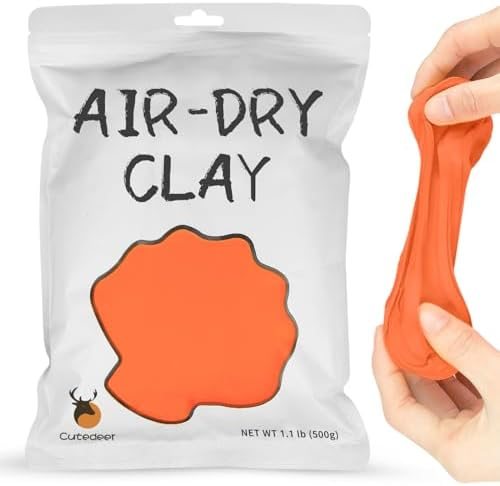
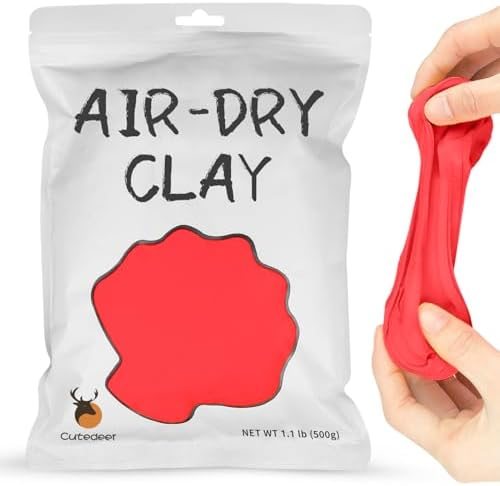
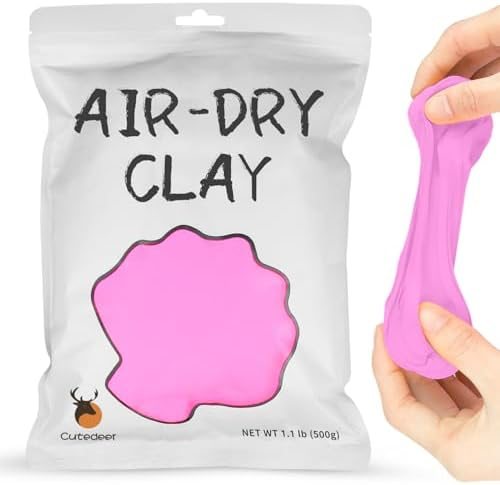
Cutedeer air dry clay, one specific shade at a time
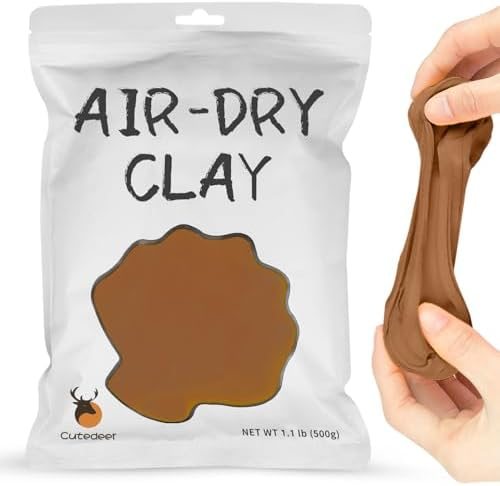
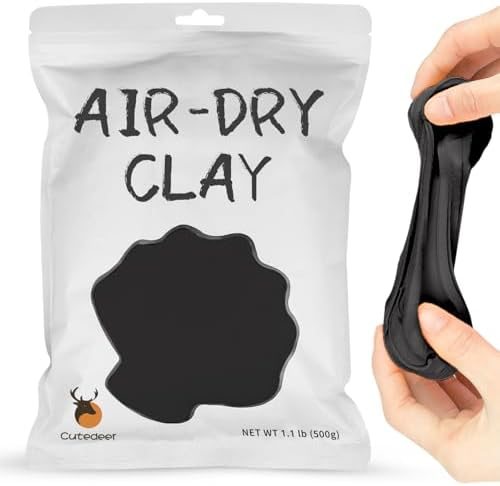
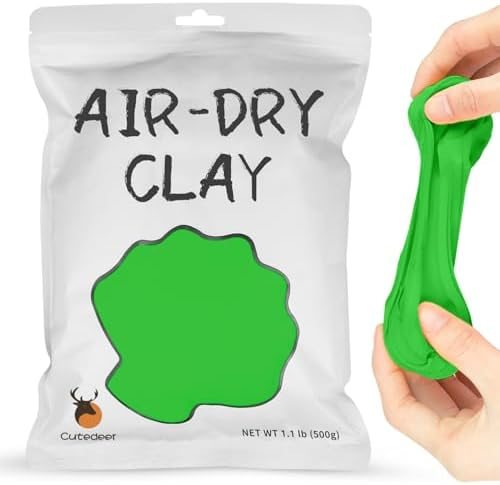
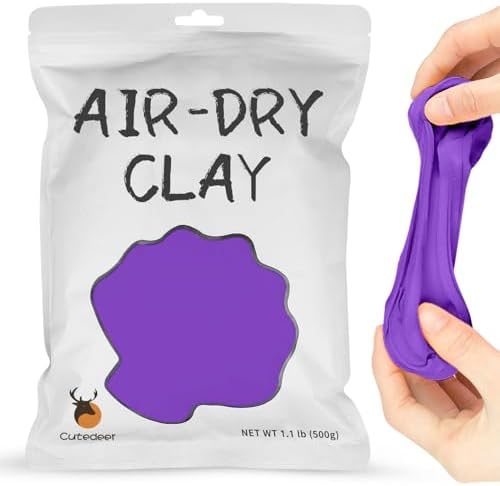
Every bag on this shelf is Cutedeer air dry clay in a single specific shade, about a pound of it, sealed so that it stays soft until the day somebody opens it.
A multi-color kit is a wonderful way to start and a poor way to continue. The shade a child reaches for most runs out first, and what remains in the box is a set of colors nobody chose.
Buying by the shade answers that. It also changes how a session runs: when the material is one color, the only choice in front of a child is shape, and shape is the harder and more interesting skill. Mixing comes later, and it comes better when there is enough of each color to mix with.
That makes the choice on this page a short one. Pick the color rather than the format, and let the specific project a child has in mind decide the rest.
We keep seven shades here because those are the seven we can get consistently. If a shade is on this page it is in stock, and the price on the card was checked against the live listing rather than carried over from the last time we looked.
What this clay is actually like in the hand
It is a foam modeling clay, which means light, soft and a little squishy rather than dense and cold like pottery clay. A child of four or five can work it without help, which is most of the reason we stock it.
It does not crumble, and it does not leave the gray film on fingers that cheap modeling compound tends to leave. That makes it an accessible first material for a child who has only ever used reusable dough.
It is air dry clay in the strict sense: no oven, no kiln, no baking at any stage. It uses nothing but open air to set, so a thin shape left on a windowsill is clear of the tacky stage by the next morning.
A solid fist-sized lump wants a day or two and does better hollowed out, because the outside dries and shrinks before the middle has started to move.
Dried, it remains light and slightly yielding, closer to a foam ball than to a tile. That is a real advantage for anything a child will carry around and a real limit for anything that has to bear weight. We say so on every card where it matters.
Choosing a shade for a specific project
Brown is the color that does the unglamorous work and runs out first: trunks, branches, bread, fur, soil. Green is the second, because leaves are endless. Black earns its bag on eyes, hooves, wheels and outlines, where a tiny amount reads as detail.
Red, orange, pink and purple get chosen for their own sake, which is a perfectly good reason. One bag follows another as a child's interests change, and a single shade is a cheap way to follow an interest that may not last the season.
If a project is still undecided, a tub of white and a set of acrylics covers more ground than any single color, and we keep that on the next shelf over.
How one shade becomes a collection
Collections grow here one bag at a time, which suits the way the activity actually works. A family buys brown for a tree, then green for the leaves, then black for the eyes, and the collection is three bags deep before anybody planned it.
Each bag serves one job well. If you are considering a larger build, two bags of the same shade beat four different ones, because running out halfway up ends the activity faster than boredom ever does.
There is no instruction booklet on this shelf. A single shade needs none, and our field notes cover the technique in more depth than a leaflet could, because they are written out of experience with the material rather than out of a specification.
If you are considering a first purchase and a child's interests are still unclear, start with a kit on the next shelf and come back here when one specific shade runs short. That is the order most families use, and the collections that follow are the proof of it.