

Field note
Keeping clay soft between sessions, and reviving it when it is not
Storage is the whole difference between a material that lasts a season and one that lasts a weekend.
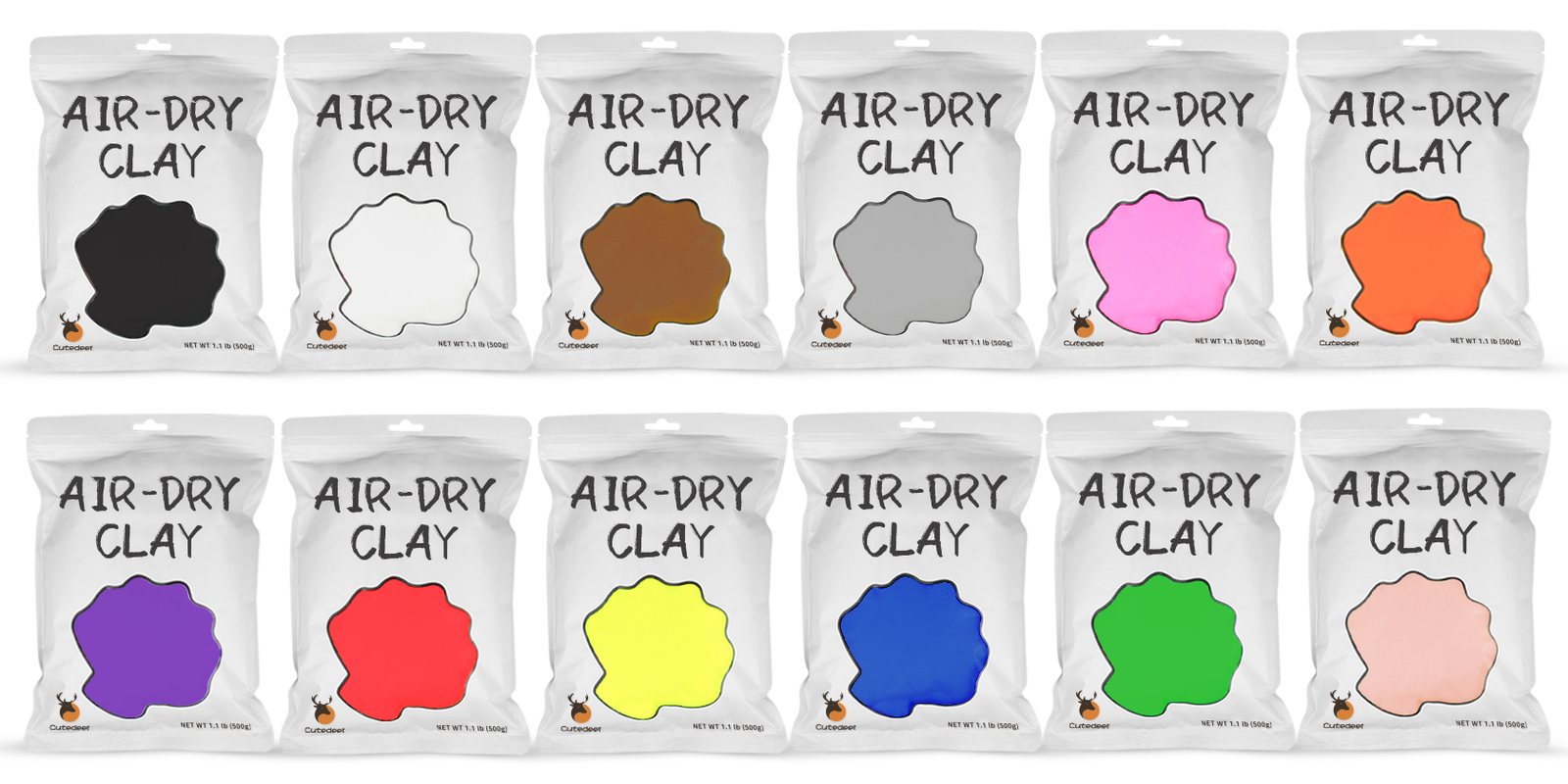
Air is the only thing that hardens it
There is no clock on a sealed bag. Our clay dries because moisture leaves it, and moisture leaves it only where air can reach. That means a bag with the air pressed out and the seal closed properly will sit in a cupboard for months and come out soft, while the same clay left on a table overnight is a paperweight by morning.
The practical version: press, seal, and put it somewhere cool. Not the windowsill, not the radiator shelf. A lidded plastic box in a cupboard is ideal, and it also solves the problem of twelve little bags migrating around the house.
Reviving clay that has gone firm
Firm is not the same as hard. If a piece still dents under a thumbnail, it can be saved. Flatten it, wet your palms rather than the clay, and knead; repeat with a few drops more water until the give comes back. It takes a couple of minutes and the result is a little stickier than new, which settles after a rest in a sealed bag.
Once a piece has set properly, nothing brings it back, and we would rather say that plainly than sell you a trick. Set clay is a finished object. Paint it and keep it.
Storing finished pieces so they survive being loved
Dried work is light but brittle at the thin points, which is almost always a tail, an ear or a leg. Give the pieces a day longer than you think before they are handled, and store them standing rather than stacked. A shoebox with a folded towel in the bottom does for a whole collection.
Sealing with a brush-on varnish makes a piece water-resistant and considerably tougher, which matters if it is going to live on a desk at school rather than on a shelf at home.
What to take away
- Press the air out and seal the bag; cool and dark beats warm and bright
- Firm clay revives with wet hands and kneading, set clay does not
- Let finished pieces cure a day longer than they look like they need
- A brush-on sealer turns a shelf object into something that can travel
Keep reading
The other notes
Air dry clay for kids: what the first week actually looks like
What air dry clay for kids is really like in the first week: seven days with a five-year-old, written down honestly, so you know what to expect before the bag is open.
Read the note →Painting and finishing dried clay without ruining it
What actually sticks, what lifts off, and why white clay is the quiet workhorse of the whole range.
Read the note →Clay or blocks: choosing a gift when you do not know the child well
A short decision tree for aunts, uncles and anyone buying for a birthday party next Saturday.
Read the note →Need the clay this note is about?
Every shade and kit we keep, with the price confirmed on each card.
