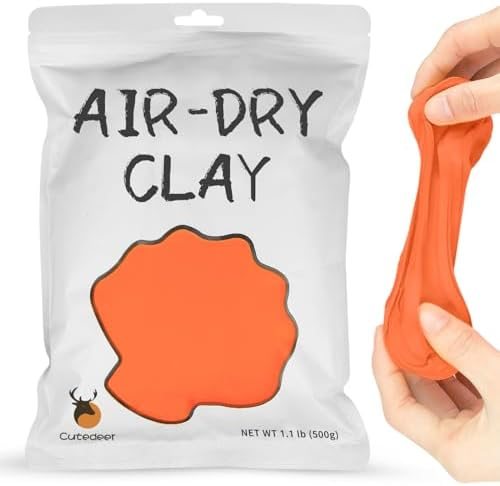
The color that does the unglamorous work
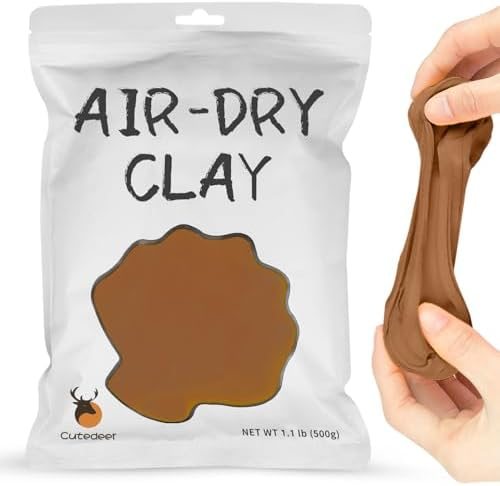
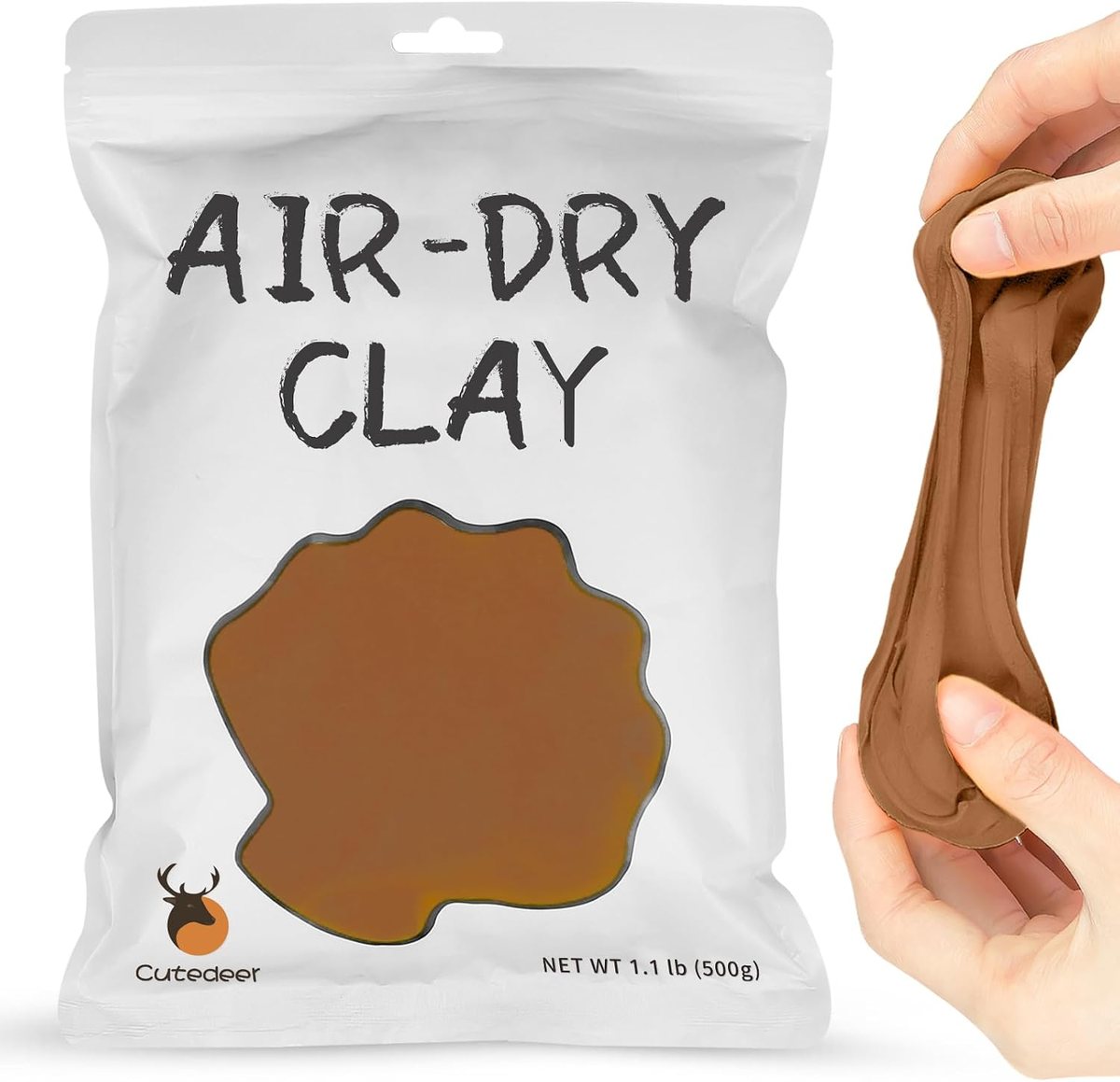
Brown is the shade that runs out first in every multi-color kit, and nobody notices until the tree has no trunk. It is the ground, the branch, the bear, the hair, the horse and the loaf of bread, and a project that needs it usually needs a lot of it at once. That is the whole argument for buying it as a single pound rather than rationing a small block out of a color box.
The tone sits in the middle: warm enough to read as wood and fur, dark enough that it does not wash out next to the greens. Mixed into white it gives a convincing sand or skin tone, and a pinch of the black darkens it into bark without going gray.
How it behaves in the hand
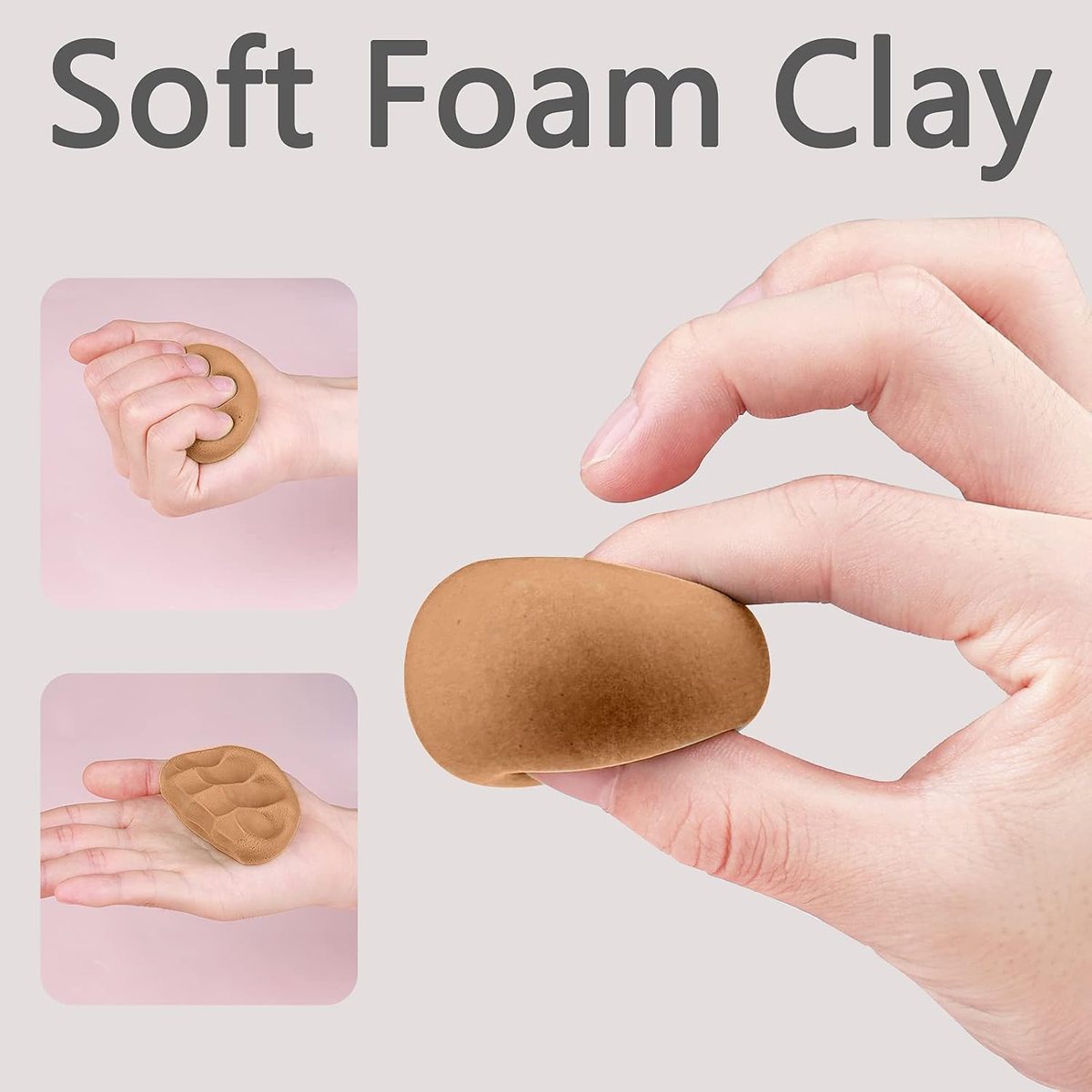
This is the light foam-textured clay rather than the heavy earthen sort, so it gives immediately under a thumb and holds a fingerprint. A child of five can roll and join it unaided, which is the main reason we carry this family at all. It does not crumble at a rolled edge and it joins to itself with light pressure and no water.
Out of the bag it can feel slightly tacky for the first minute. Knead it on a dry surface and the stickiness settles. If a piece has gone firm in storage, wet your palms rather than the clay and work it back.
Drying, and the one limit worth knowing
Thin shapes are firm in a few hours and fully dry overnight. A solid lump the size of a fist wants a day or two, and the core stays soft after the surface feels hard. Hollow the thick parts or build them from smaller pieces pressed together, and the shrinkage cracks that catch people out simply do not appear.
Dried brown takes acrylic well if you want to add detail, though most of the point of buying a color is not having to paint it.